
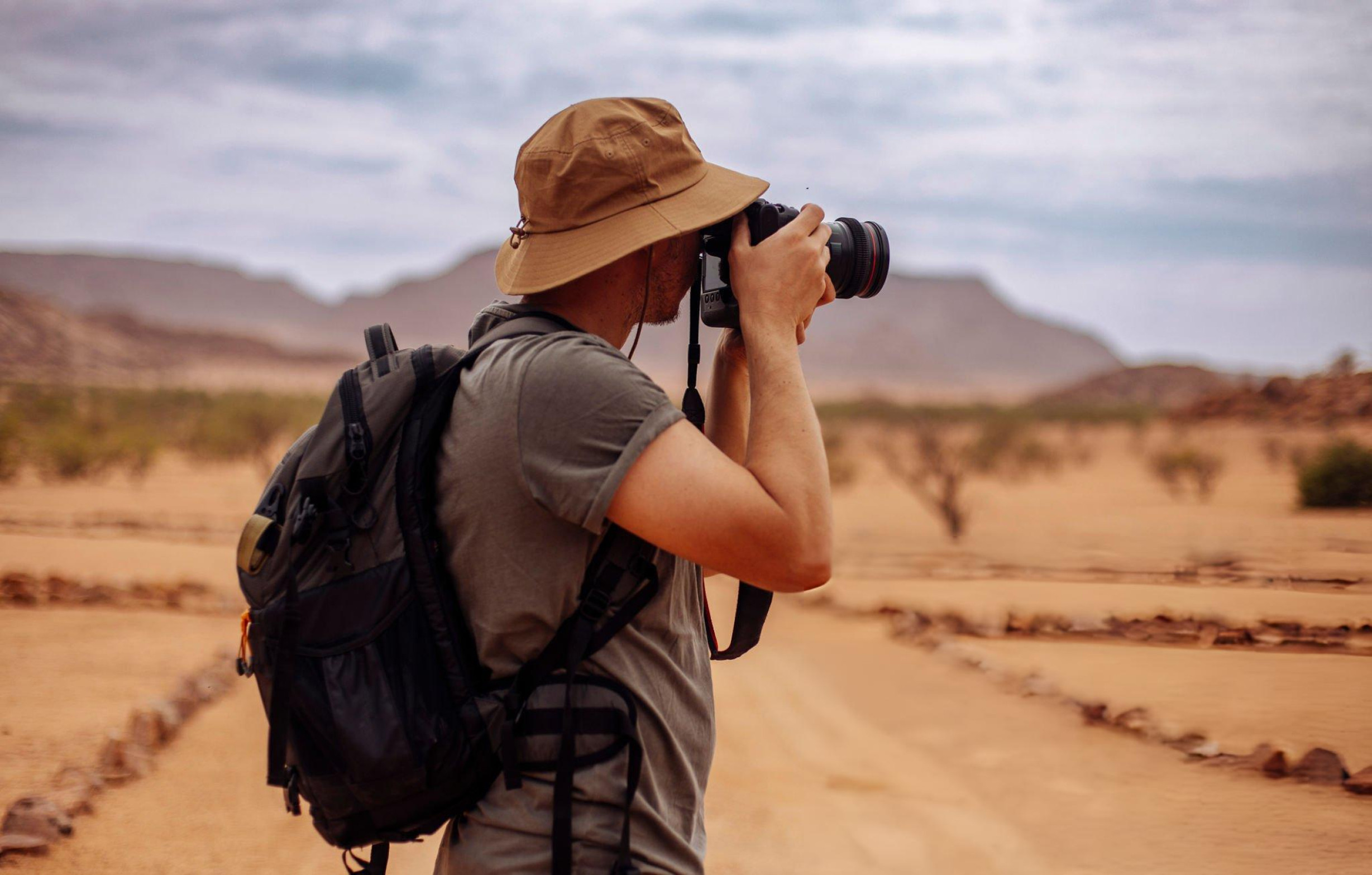
Private Morocco Photography Tours: Capture Morocco at Your Pace
A Morocco photography tour is a private, tailor-made journey where the route, timing and pace are planned around light and location rather than a fixed sightseeing schedule. It's private by default, suits everyone from beginners to working professionals, and can be fully customized — but it's a photography-focused travel itinerary, not automatically a led workshop with technical instruction unless one is specifically requested.
At a Glance
- Tour style
- Private and tailor-made
- Photography level
- Beginner to experienced
- Main subjects
- Landscape, architecture, street life and culture
- Recommended length
- 8–14 days
- Popular starting points
- Casablanca, Marrakech, Tangier and Fes
- Transport
- Private air-conditioned vehicle
- Accommodation
- Riads, hotels and desert camps
- Sunrise & sunset planning
- Available within route and weather limits
- Camel-free option
- Available on request
- Professional tuition
- Not included by default — confirm separately if wanted
- Customization
- Route, pace and photographic interests
What Is a Morocco Photography Tour?
A Morocco photography tour is a private itinerary where route, timing and stops are planned around light, location and access rather than a standard sightseeing pace. It prioritizes flexible departure times, extra time at chosen viewpoints, room for camera equipment in the vehicle, and a driver who understands why you might want to leave before sunrise or wait an extra hour for the light to change.
It's worth being precise about one distinction: this is a private, photography-friendly travel itinerary, not automatically a professional photography workshop. A workshop implies a qualified photographer leading technical instruction and image critiques — that's arranged only when specifically requested and confirmed, not assumed as standard.
Why Morocco Appeals to Photographers
Few countries pack this much visual variety into one route: dense medina architecture, mountain passes, desert dunes, palm-lined valleys, Atlantic fishing harbors, craft traditions and markets — often changing character within a single day's drive. Natural light shifts noticeably between the coast, the cities and the Sahara, which is part of what makes a slower, photography-led pace worthwhile rather than rushing between stops.
Who Are These Tours For?
The same private structure adapts to quite different photographers:
- Professional and commercial photographers — route and timing built around specific shot lists; commercial filming permits are not included by default and should be confirmed separately.
- Enthusiast and amateur photographers — the most common group, usually wanting more time at fewer locations than a standard tour allows.
- Beginners — a relaxed pace with more flexibility at each stop, and no assumption of advanced technical knowledge.
- Photography clubs and private groups — a shared private departure with a route built around the group's collective interests.
- Solo photographers — private transport means no need to accommodate other travelers' preferences.
- Couples with different interests — one partner photographing while the other explores, with pacing that works for both.
- Content creators and filmmakers — logistics support for stills and video; commercial production support and permits are confirmed separately, not assumed.
The Best Photography Locations in Morocco
Most photography routes draw from the same core set of locations, each suited to different subjects and light.
| Location | What to Photograph & When |
|---|---|
| Marrakech | Architecture, gardens, rooftops and the souks; UNESCO describes Jemaa el-Fnaa as "a veritable open-air theatre" (UNESCO World Heritage Centre) — best light early morning or late afternoon. |
| Fes | Medina detail, tanneries and craft workshops in one of the world's largest car-free medinas. UNESCO notes Fes "has retained its status as the country's cultural and spiritual centre" (UNESCO World Heritage Centre). |
| Chefchaouen | Blue-painted lanes, best photographed early morning before streets fill with visitors. |
| Merzouga & Erg Chebbi | Dune patterns, shadow lines, sunrise, sunset and night-sky photography. See Morocco Luxury Desert Tours. |
| Dades Valley & Todra Gorge | Rock formations, canyon walls and valley-road perspectives between the desert and Marrakech. |
| Ait Ben Haddou & Ouarzazate | Earthen kasbah architecture UNESCO calls "a striking example of the architecture of southern Morocco" (UNESCO World Heritage Centre); wide views from across the river valley. |
| Skoura & Valley of Roses | Palm groves, kasbah ruins and seasonal village landscapes. |
| Essaouira | Fortified ramparts and a working fishing harbor. UNESCO says the town has long been "linking Morocco and its Saharan hinterland with Europe and the rest of the world" (UNESCO World Heritage Centre) — reliable coastal light and fewer crowds than Marrakech or Fes. |
| High Atlas Mountains | Mountain roads, Berber villages and changing weather; conditions vary by season and altitude. |
Access, opening hours and available light at any of these locations should be confirmed for your specific dates rather than assumed from photos taken at a different time of year.
Sample Photography Itineraries
Photography-focused routes generally run 7 to 14 days, built from the same city and desert framework as our standard itineraries but paced around light and location:
| Length | Typical Focus | Best Suited To |
|---|---|---|
| 7–9 days | Marrakech, the High Atlas and one Sahara night | A focused trip on limited time |
| 10–12 days | Imperial cities, the desert and the Atlantic coast | Photographers wanting real subject variety |
| 14 days | A complete circuit with unhurried time at each stop | Serious amateurs and professionals building a fuller portfolio |
For a fuller day-by-day framework to adapt around photography priorities, see our Morocco Grand Tours guide, the 10-Day Morocco Grand Tour from Casablanca, or the 14-Day Morocco Grand Adventure — every route here is rebuilt around your photographic interests through our Tailor-Made Morocco Tours service rather than followed as a fixed template.
Tell us your main subjects and available days. Customize this photography tour →
Example Day on a Private Photography Tour
Not every day starts before sunrise — pacing depends on the location and your priorities. A typical day might include an early departure for first light at a chosen viewpoint, a return for breakfast, a midday rest or transfer to the next stop, an afternoon cultural visit or market walk, a golden-hour session before dinner, and time in the evening to back up files.
Sunrise, Sunset and Night Photography
Sunrise and sunset timing shifts with the season, and travel time to a location needs to be built into the plan rather than assumed. Blue hour and golden hour are both usable windows depending on the subject; desert silhouettes work well at both ends of the day, and a tripod is genuinely useful for low-light and night-sky work near Merzouga, where light pollution is minimal. Moon phase affects night-sky visibility and can be planned around in advance, though clear skies and Milky Way visibility can never be guaranteed — weather and dust in the air vary night to night.
Street and Cultural Photography in Morocco
- Ask before photographing people, and respect a refusal without pressing further
- Take particular care around children, religious settings, and people at work
- In markets, a purchase or a brief conversation often opens the door to a portrait more naturally than a camera raised without context
- Some artisans and performers expect payment for a posed photograph — this is a normal, reasonable exchange, not an imposition
- When a situation is unclear, ask your guide rather than guessing
- Write captions that describe what's actually happening rather than leaning on stereotypes or exoticizing language
Camera Equipment to Bring
A wide-angle lens covers architecture and landscapes, a standard zoom handles most street and travel subjects, and a telephoto or fast prime helps with portraits and compressed desert scenes. Beyond that: a tripod for low light, filters if you use them, spare batteries and memory cards, a portable drive for backups, basic sensor-cleaning tools, dust and rain protection, and the right power adapters. Expensive equipment isn't a requirement — a well-prepared kit matters more than a large one.
Protecting Camera Equipment in the Sahara
Avoid changing lenses in windy conditions, since blown sand finds its way into a camera body quickly. Keep gear in sealed bags when not shooting, use a blower rather than touching a sensor directly, and don't set bags straight down on the sand. Protect equipment during camel or 4x4 transport into the dunes rather than leaving it exposed, let gear adjust gradually to temperature swings between day and night, and back up files daily rather than waiting until the end of the trip.
Drone Photography in Morocco
What Is Included?
- Private vehicle and driver, including fuel, tolls and parking
- Selected accommodation and breakfast
- Desert-camp dinner and breakfast where included
- Airport transfers when specified
- Local city guides when specified
- Flexible photography stops where safe to add them
- Customized route planning
Exact inclusions depend on the selected itinerary and written quotation.
Typically excluded: international flights, camera equipment and equipment insurance, drone permissions, commercial filming permits, professional photography tuition unless specified, most lunches, drinks, tips, unlisted entrance fees and personal expenses.
When Is the Best Time for a Morocco Photography Tour?
Spring (March–May) and autumn (September–November) generally offer the most comfortable temperatures and workable light across the coast, cities, mountains and desert. Summer (June–August) runs hot inland and in the Sahara, with harsh midday light better avoided in favor of early and late sessions; winter (December–February) is mild in the cities but cold at night in the mountains and desert. These are general patterns, not weather guarantees — check current conditions closer to your travel dates.
How Much Does a Morocco Photography Tour Cost?
There's no single published price. Cost depends on duration, number of travelers, vehicle category, accommodation level, room arrangement, guides, a specialist photography leader if requested, season, route, and any private access arrangements.
Get a price built around your actual plans. Request a Personalized Photography Tour Quote →
Frequently Asked Questions
Is Morocco good for photography?
Yes. Morocco combines historic architecture, dense medinas, mountain scenery, desert dunes and an Atlantic coastline within a few hours' drive of each other, giving photographers real subject variety on a single private route.
Are Morocco photography tours private?
Yes. Every route is built around a private vehicle and driver, with no fixed group schedule, so stops, timing and pace can be shaped around light and location rather than a coach itinerary.
Can beginners join?
Yes. The itinerary adjusts to experience level — beginners get more time and flexibility at each stop, while experienced photographers can request tighter timing around specific light conditions.
Is a professional photographer included?
Not by default. This is a private, photography-focused travel itinerary — logistics, timing and access shaped around photography — rather than a led workshop with technical instruction, unless a photography leader is specifically requested and confirmed.
What are the best photography locations in Morocco?
Marrakech, Fes, Chefchaouen, the Erg Chebbi dunes near Merzouga, the Dades Valley and Todra Gorge, Ait Ben Haddou, Essaouira and the High Atlas Mountains are the most commonly included stops.
How many days do I need?
Most photography-focused routes run 8 to 14 days, long enough to cover several regions without rushing the light at each stop. Shorter and longer versions can be arranged.
Can the itinerary include the Sahara?
Yes. Most itineraries of a week or longer include a night near Merzouga for dune photography at sunrise, sunset and after dark.
Can sunrise and sunset sessions be arranged?
Yes, within the constraints of the day's route and weather. Timing is planned around each location, though clear skies and specific light conditions can never be guaranteed.
Can I photograph people in Morocco?
Ask first and respect a refusal. Markets, artisans and street scenes are common subjects, but children, religious settings and workplaces call for particular care, and your guide can help navigate specific situations.
Can I bring a drone into Morocco?
Drone importation and operation are regulated in Morocco. Travelers should obtain current written guidance from the appropriate Moroccan authorities before traveling with a drone, since rules and enforcement can change.
How should I protect my camera from desert sand?
Avoid changing lenses in windy conditions, keep gear in sealed bags when not in use, and protect equipment during camel or 4x4 transport rather than leaving it exposed on open seating.
What type of vehicle is used?
A private air-conditioned 4x4 or premium minivan with space for camera bags and tripods, confirmed at the quotation stage.
How much does a private photography tour cost?
There's no single published price — cost depends on duration, group size, vehicle category, accommodation level, season and whether a specialist photography leader is requested, so we provide a personalized quotation.
How do I book?
Share your dates, traveler count, experience level and main photographic interests, and we prepare a personalized itinerary and quote from there.
Sources & Further Reading
UNESCO World Heritage Centre — Medina of Marrakesh · UNESCO World Heritage Centre — Medina of Fez · UNESCO World Heritage Centre — Ksar of Ait-Ben-Haddou · UNESCO World Heritage Centre — Medina of Essaouira (accessed September 2026)
Plan Your Private Morocco Photography Tour
Share your dates, experience level and the subjects you most want to photograph, and we'll shape a realistic, private itinerary around them — with local route knowledge and honest pacing, not a rushed sightseeing schedule.