
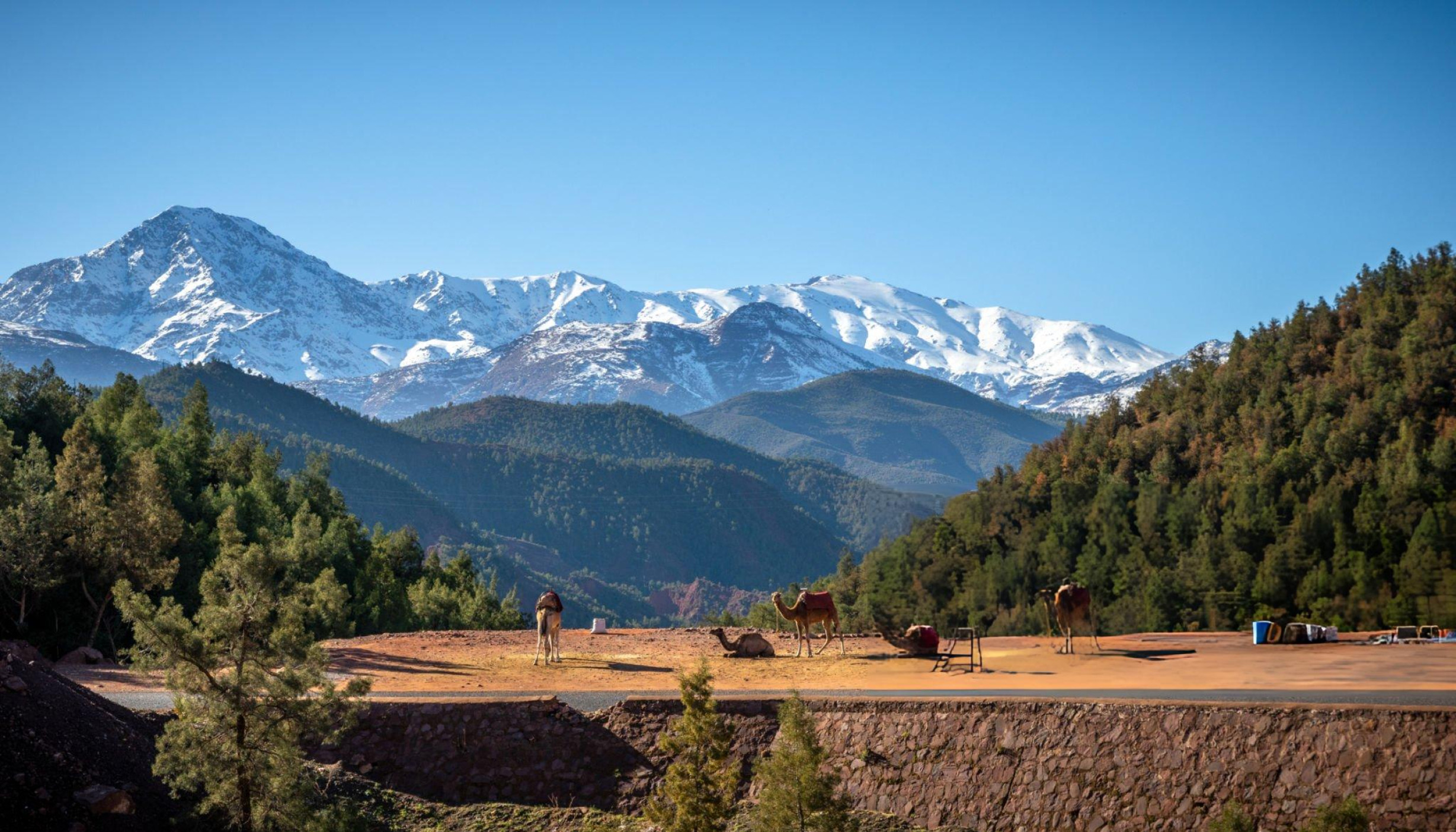
Responsible & Sustainable Tourism in Morocco
Morocco isn't simply where we operate — it's where we live. Here's how we think about responsible tourism, what we can honestly commit to, and how you can travel more thoughtfully here.
What Does Responsible Tourism in Morocco Actually Mean?
It means directing tourism spending toward Moroccan people and businesses, respecting local culture and religious practice, being honest about tourism's environmental footprint rather than denying it, and giving travelers the information they need to make better choices — not a marketing label attached after the fact.
We're not going to tell you this page makes Desert Morocco Tour "100% sustainable" or "zero-impact" — no tour company can honestly claim that, and any that does is worth questioning. What we can do is explain, specifically, how we try to run tours that benefit the places and people we depend on, where we fall short of an ideal, and what you can do as a traveler to make your own trip more responsible.
This page covers our responsible-travel framework, how we approach the Sahara and animal welfare specifically, what we ask of ourselves environmentally, and a practical checklist for travelers — organized by destination where it helps.
Morocco is not simply our destination. It is our home.
Every itinerary we build passes through places where our drivers grew up, where our guides' families still live, and where the tourism economy is one part of a much larger local life. That changes how we think about responsibility: not as a marketing angle, but as an ongoing obligation to the country we operate in.
The Desert Morocco Tour Responsible Travel Framework
Eight areas we try to hold ourselves to — not eight sustainability claims.
Local Economic Benefit
We prioritize Moroccan drivers, licensed local guides, family-run riads, independent restaurants, desert camps, and artisan cooperatives in the itineraries we build. We won't claim every single supplier we use is locally owned unless we've actually verified it — some larger hotels and camps we book are not.
Small-Scale & Private Travel
Private, tailor-made travel lets us control group size, adapt behavior to sensitive sites, spend more time in fewer places, and choose smaller accommodations. We won't claim this automatically means a smaller carbon footprint — a private vehicle for two people can use more fuel per traveler than a shared bus. What it does offer is more control over the choices that matter.
Cultural Respect
We brief travelers on modest dress, mosque etiquette, Ramadan considerations, and asking permission before photographing people. Communities are not attractions — homes and villages are where people live, not backdrops, and we ask travelers to treat them that way.
Responsible Sahara Tourism
The desert is a genuinely fragile environment — water and waste management matter more there than almost anywhere else on a typical itinerary. We cover our specific approach to this in the section below.
Animal Welfare
We can arrange camel-free Sahara experiences on request, and we won't present camel riding as mandatory. Where camels are used, we expect reasonable loads and animals that aren't visibly distressed. We cover this in more detail below.
Environmental Responsibility
Travel inevitably creates an environmental footprint — vehicles use fuel, hotels use water and energy, and we're not going to pretend otherwise. What we can do is make better choices where realistically possible: refillable water options, avoiding unnecessary linen changes, and route planning that reduces avoidable backtracking.
Protecting Moroccan Heritage
Medinas, kasbahs, ksour and archaeological sites are not renewable. We ask travelers to follow site rules, avoid touching fragile surfaces, and support licensed guides who have a stake in a site's preservation.
Traveler Responsibility
None of the above works without the traveler. We give practical, specific guidance rather than a generic "be respectful" — see the checklist further down this page.
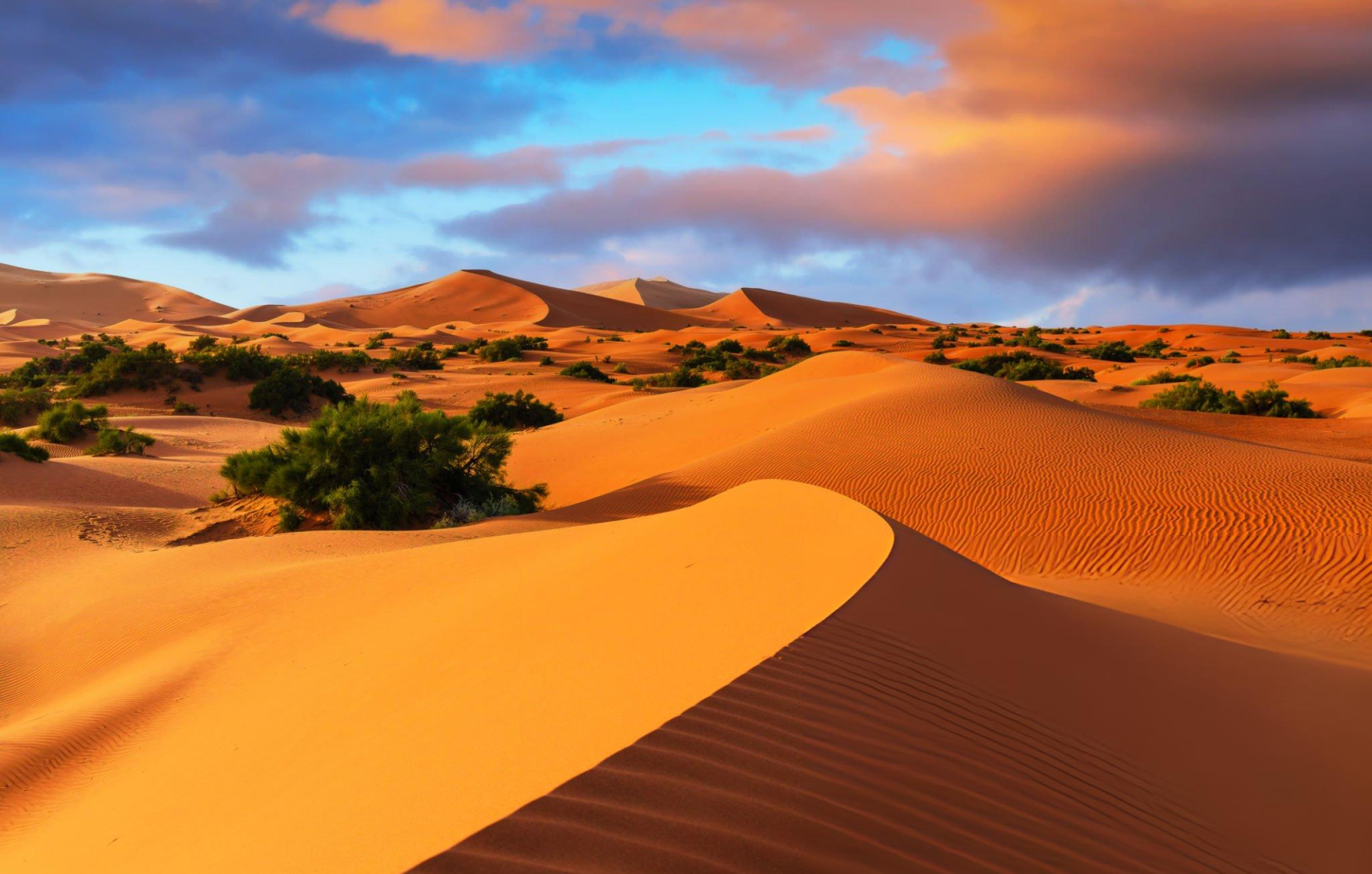
How Should Responsible Sahara Tourism Work?
Erg Chebbi and the wider Merzouga region are arid environments with limited water and no municipal waste collection at most camps — what a camp doesn't manage itself doesn't get managed. That makes desert tourism a genuinely higher-stakes area than a city stop.
- Waste is packed out or properly managed rather than left in the dunes
- Water is used thoughtfully — it's trucked in or drawn from limited local sources
- Camel loads and treatment are reasonable, with a 4x4 alternative always askable
- Off-road driving is limited to established tracks where possible, to reduce disturbance to dune ecosystems and wildlife
- Noise and light are kept considerate of both wildlife and nearby communities
- Local and nomadic community members are involved in camp staffing where camps are set up to do so
How Should Camel Rides and Animal Welfare Be Approached?
Camel trekking is a long-standing part of Sahara tourism, and we're not going to tell you it should be eliminated or that it's inherently wrong. What matters more is that travelers have real choice and real information, rather than camel riding being presented as the only way to experience the dunes.
We can arrange camel-free desert experiences on request — a 4x4 transfer into the dunes covers the same ground without riding. If you do choose a camel trek, it's reasonable to expect an animal that isn't visibly distressed, isn't overloaded, and gets rest between treks.
- Camel-free 4x4 transfer available on request for any Sahara itinerary
- Reasonable loads and trek lengths for camel experiences
- Attention to visible signs of animal distress or poor condition
- Traveler choice treated as more important than a "traditional" activity being included by default
- No claim that our camel partners meet a specific certified welfare standard we haven't independently verified
What Do We Actually Do — and Not Claim?
Travel inevitably creates an environmental footprint. Vehicles burn fuel, hotels and camps use water and electricity, and flying to Morocco has a footprint before any local choices are even made. Responsible tourism, for us, means recognizing that rather than hiding it, and making better choices where realistically possible.
That's a narrower claim than "eco-friendly" or "carbon neutral," and it's the honest one.
- Refillable water options offered where practical, in place of individual bottles
- Linen and towel reuse encouraged at partner accommodations rather than automatic daily changes
- Itineraries planned to reduce unnecessary backtracking and transfers
- Vehicles maintained and appropriately sized for group numbers
- Longer stays favored over rushed multi-city circuits where a traveler's schedule allows it
- Walking encouraged within medinas and city centers where practical
Why Does Responsible Visitation of Heritage Sites Matter?
Morocco has nine UNESCO World Heritage sites — more than any other African country — and medinas, kasbahs, ksour and archaeological sites like these are not renewable once damaged.
That includes the medinas of Marrakesh, Fez and Essaouira, the Ksar of Ait-Ben-Haddou, the archaeological site of Volubilis, and others. Traditional architecture, craft traditions, and Amazigh, Islamic and Jewish heritage sites across the country depend on both preservation funding and visitors who follow site rules — not touching fragile surfaces, staying on marked paths, and supporting licensed local guides who have a direct stake in a site's upkeep.
How You Can Travel Responsibly in Morocco
Ask Before Photographing
Always ask before photographing people, and be especially thoughtful about photographing children.
Dress Respectfully
Modest clothing is appropriate outside beach and resort areas, for both women and men.
Carry a Reusable Bottle
Ask your accommodation about refill options instead of buying small bottles repeatedly.
Pack Out Desert Waste
Nothing gets left in the dunes — what you bring into the Sahara, bring back out.
Use Water Thoughtfully
Shorter showers and reused towels matter more in arid and desert regions than at home.
Buy Directly From Artisans
Cooperatives and workshops put more of your money toward the people who made the piece.
Respect Religious Spaces
Follow dress and access rules at mosques and other religious sites, even when not strictly enforced.
Bargain Fairly
Negotiating is normal in souks, but avoid pushing hard over small amounts with individual artisans.
Learn a Few Words
A little Arabic or Amazigh — even just greetings — is noticed and appreciated.
Respect Working Animals
Ask about a camel-free alternative if you're uncertain about an animal's condition.
Follow Your Guide's Lead
Local guides know what's appropriate in a specific place better than a general rule does.
Leave Sites As You Found Them
Don't remove stones, artifacts, or plants from archaeological or natural sites.
Where Does Your Money Actually Go?
On a typical private itinerary, spending can reach a chain of Moroccan businesses and individuals rather than being captured by a single foreign intermediary.
We won't quote you a percentage of "how much stays local," because we don't have verified figures for that and won't invent them. What we can say is that the itinerary decisions above — which driver, which riad, which camp, which workshop — are the actual mechanism by which tourism spending does or doesn't reach Moroccan communities, and they're decisions we make deliberately when we build a trip.
Responsible Tourism by Destination
Marrakech
Buy from artisan workshops rather than only souvenir stalls, ask before photographing in the souks, and expect to negotiate — it's normal here, not a sign of being overcharged.
Fes
The medina is a living historic city, not a museum. Support licensed guides, who have a direct stake in the medina's preservation and know which crafts are genuinely made on-site.
Chefchaouen
The blue medina's popularity has brought real overtourism pressure to a small residential town — be mindful photographing homes and doorways where people live, not just picturesque walls.
Atlas Mountains
Villages here are home to real communities, not scenic stops. A local guide helps with water sourcing, appropriate village etiquette, and supporting mountain economies directly.
Merzouga & Erg Chebbi
The most water- and waste-sensitive stop on most itineraries — see our dedicated Sahara section above for specifics.
Dades & Todra
Rural valley communities and river ecosystems here benefit from travelers who stop respectfully rather than treating the gorge only as a drive-through photo opportunity.
Ait Ben Haddou
A UNESCO World Heritage ksar that still has resident families. Stay on marked paths and support the site's licensed guides.
Essaouira
A coastal fishing town with its own ecosystem and economy — choosing seafood in season and supporting the town's cooperatives keeps value with the community that depends on the harbor.
Erg Chigaga
Erg Chigaga’s remote desert environment deserves to be explored with care and respect. Responsible travel here means minimizing waste, using water thoughtfully.
Supporting Moroccan Artisans Responsibly
Morocco's rugs, ceramics, leather, metalwork, woodwork and textiles range from genuine handmade craftsmanship to mass-produced items marketed as traditional. The difference usually shows in time, price and provenance — a handmade rug or a hand-tooled leather piece takes real hours to produce, and that's reflected in both cost and the maker's ability to explain how it was made.
We can't vouch for every seller in every souk, and we won't claim to. What we can do is point travelers toward recognized cooperatives and workshops where the connection between the piece and its maker is direct.
- Ask how a piece was made and how long it took
- Expect handmade items to cost more than mass-produced souvenirs
- Cooperatives put a larger share of the price toward the makers themselves
- Negotiate fairly — bargaining is normal, but not at the expense of a fair wage for real work
How Should Travelers Approach Photography in Morocco?
Never assume someone's clothing, home, occupation or community makes them a photo subject without being asked first.
This applies in markets, villages, religious sites and rural communities alike, and it applies with particular care to children — a photo that feels harmless to a traveler can feel very different to the person or family in it. A simple gesture asking permission, understood without needing shared language, goes a long way, and a "no" should be accepted without argument.
Why Does Water Deserve Special Attention in Morocco?
Morocco is one of the world's more water-stressed countries, and the World Bank has flagged it as approaching an absolute water scarcity threshold in the coming years.
That context matters most in hotels, riads and especially desert camps, where water may be trucked in or drawn from limited local sources. Shorter showers, reusing towels and linens where offered, and not requesting daily changes on short stays are small choices that add up more in Morocco's arid and desert regions than they would somewhere with abundant rainfall.
Is Private Transportation Environmentally Harmless?
No — and we won't pretend otherwise. Private vehicles are genuinely necessary for most Morocco itineraries, since much of what makes the country worth visiting (the Atlas, the Sahara, smaller kasbahs) isn't reachable by public transport on a reasonable timeline. That doesn't make a private vehicle environmentally neutral.
What we can do is plan efficiently rather than pretend the vehicle itself is the solution.
- Itineraries planned to combine destinations logically, avoiding needless backtracking
- Vehicles sized appropriately for the group rather than defaulting to larger vehicles
- Vehicles maintained for fuel efficiency and reliability
- Longer stays favored over rushed circuits where schedules allow
- Walking encouraged within medinas and city centers, where a vehicle isn't needed anyway
Our Responsible Tourism Commitment
Commitments we can genuinely implement, not marketing promises:
- Support Moroccan professionals and communities through the drivers, guides, riads, restaurants and camps we work with
- Respect Moroccan culture and heritage in how we brief travelers and design itineraries
- Give travelers practical, specific responsible-travel guidance rather than generic advice
- Offer camel-free alternatives for every Sahara itinerary on request
- Reduce avoidable waste and unnecessary linen/towel replacement where practical
- Encourage thoughtful water use, especially in desert and arid regions
- Choose local and licensed partners where genuinely available and verified
- Support responsible visitation of natural and heritage environments
- Keep improving these practices rather than treating this page as a finished statement
Where Do This Page's Facts Come From?
Factual claims on this page are drawn from official sources, not invented.
- UNESCO — World Heritage Sites in Morocco — official list, nine sites.
- World Bank — Water Scarcity in Morocco — analysis of Morocco's water challenges.
- Global Sustainable Tourism Council (GSTC) — international sustainable tourism criteria.
- Visit Morocco — Morocco's official national tourism board.
FAQs — Responsible Tourism in Morocco
What is responsible tourism in Morocco?
Responsible tourism in Morocco means traveling in ways that direct economic benefit toward Moroccan people and businesses, respect local culture and religious practice, minimize avoidable environmental impact, and give travelers honest information rather than vague sustainability claims.
How can I be a responsible tourist in Morocco?
Choose locally operated guides and accommodation, dress modestly outside beach and resort areas, ask before photographing people, use water carefully in arid regions, buy handmade crafts directly from artisans or cooperatives, and follow your driver or guide's advice on local customs.
How does tourism benefit local Moroccan communities?
Tourism can benefit Moroccan communities when spending reaches local drivers, licensed guides, family-run riads, restaurants, desert camps, and artisan cooperatives rather than being captured entirely by foreign-owned intermediaries. The benefit depends on which businesses a trip actually uses, not on the destination alone.
How can I reduce plastic waste while traveling in Morocco?
Carry a refillable water bottle and ask your riad, hotel, or desert camp whether refill stations or large water containers are available instead of individual bottles. In areas where tap water isn't recommended for drinking, refilling from larger containers still reduces single-use plastic compared to buying small bottles repeatedly.
How should tourists behave in rural Moroccan villages?
Dress modestly, ask before entering homes or photographing people, follow your guide's lead on greetings and etiquette, and treat a village as a place people live rather than a sight to consume. A local guide or driver can advise on what's welcome in a specific community.
Can I visit the Sahara without riding camels?
Yes. A 4x4 transfer to the desert camp is a widely available alternative to camel trekking, and Desert Morocco Tour can arrange a camel-free Sahara experience on request.
How can I choose an ethical camel experience?
Look for reasonable loads, animals that appear healthy and unstressed, and operators willing to offer a 4x4 alternative rather than treating camel riding as mandatory. If an operator can't or won't discuss the animals' condition, that's worth noting.
What should I look for in a responsible desert camp?
Look for camps that manage waste rather than leaving it in the dunes, use water thoughtfully, involve local or nomadic community members in staffing, and are transparent about what a camel-free arrival involves rather than presenting camel riding as the only option.
How can travelers conserve water in Morocco?
Take shorter showers, reuse towels and linens where hotels offer the option, avoid requesting daily linen changes on short stays, and be mindful in desert regions where water is trucked in or drawn from limited local sources.
How can I support Moroccan artisans?
Buy directly from artisan workshops and recognized cooperatives rather than only from intermediary shops, ask how a piece was made, and expect handmade items to take longer and cost more than mass-produced souvenirs marketed as traditional.
Are private Morocco tours sustainable?
Private travel is not automatically more sustainable than group travel, but it does allow a traveler to choose smaller accommodations, adjust pace and stops, and spend more time in fewer places — choices that support responsible travel without guaranteeing a smaller footprint on their own.
How does Desert Morocco Tour approach responsible tourism?
Desert Morocco Tour prioritizes Moroccan drivers, guides, and accommodation partners, offers camel-free Sahara alternatives, gives travelers practical cultural and environmental guidance, and avoids sustainability claims it cannot verify or fully control.
Is Morocco a sustainable tourism destination?
Morocco faces real sustainability challenges, particularly water scarcity, and tourism is one of several sectors competing for limited resources. Morocco can be visited more or less responsibly depending on the choices travelers and operators make, rather than being simply "sustainable" or not as a whole.
What should I look for in a responsible Morocco tour operator?
Look for a Moroccan-based operator that names its local drivers, guides and partners rather than only its brand; offers alternatives to animal-based activities; gives specific rather than vague sustainability information; and is honest about the limits of what any single trip can achieve.
Plan My Private Morocco Tour
Tell us where you'd like to travel, how long you have, and what matters most to you — including any responsible-travel priorities like a camel-free Sahara experience. We'll build a private itinerary around that.