
Morocco Photography Tours & Private Photo Journeys
Sahara sunrise, Chefchaouen's blue medina, Marrakech street life - private journeys timed around light, for photographers of every level.
Travel Built Around the Light, Not Squeezed Around It
Morocco packs an unusual amount of visual range into one country: the raked light and shadow of Sahara dune ridges at sunrise, centuries-old earth architecture at Ait Ben Haddou, and the dense colour and texture of the medinas in Fes, Chefchaouen and Marrakech. Our photography itineraries are planned around that light - early departures for sunrise, unhurried time at golden hour, and a private driver-guide who knows why five extra minutes at a viewpoint can matter. These photography-led routes are increasingly popular among travelers seeking genuine Morocco photography tours rather than a standard sightseeing package.
These are private, photographer-friendly journeys rather than formal instructional workshops - see what that means in practice before you book, so expectations are clear from the start. Many of our Morocco photo tours are built specifically with photographers in mind, pairing striking locations with genuinely comfortable travel.
What Is a Morocco Photography Tour?
The term gets used loosely, so here's exactly what we mean by it - and what we don't. Some travelers arrive expecting a certified Morocco photography workshop, others are simply looking for a well-timed private journey that happens to be photography-friendly - both are valid starting points, so it helps to know which one you want.
What It Is
A private journey where the route, timing and pacing are built around light and photogenic locations - sunrise departures, golden-hour stops, and a driver-guide experienced in where and when to shoot.
What It Isn't
A formal photography workshop with a certified instructor giving technical tuition or portfolio critique. If that's specifically what you're after, tell us when you enquire so we can be clear about what's realistic.
Who's Actually Guiding You
An experienced private driver-guide who knows the photographic locations and timing well - not a certified professional photography instructor, unless arranged separately.
| Role | What They Actually Provide |
|---|---|
| Private Driver-Guide | Transport, route logistics, knowledge of photogenic locations and light timing, flexible scheduling around sunrise/sunset |
| Licensed Local Guide (where included) | Historical and cultural context at specific sites - the Fes tanneries, kasbahs, medinas |
| Professional Photo Mentor | Not included as standard. Formal technical instruction or image critique can be discussed on request, subject to availability |
A Schedule Built Around the Light
Ordinary sightseeing tours run on fixed visiting hours. Photography needs the opposite: pre-dawn departures to be in position for sunrise, extra time at golden hour rather than a rushed ten-minute stop, patience for blue hour after the light has technically "ended," and the flexibility to pull over when something unplanned appears on the road. Rest is scheduled around the flat midday light rather than treated as wasted time, so early starts and late finishes don't run you down over a multi-day trip. This same attention to timing and comfort is what separates genuine Photography tours Morocco itineraries from a rushed group itinerary bolted onto a standard route.
Three Photography Itineraries
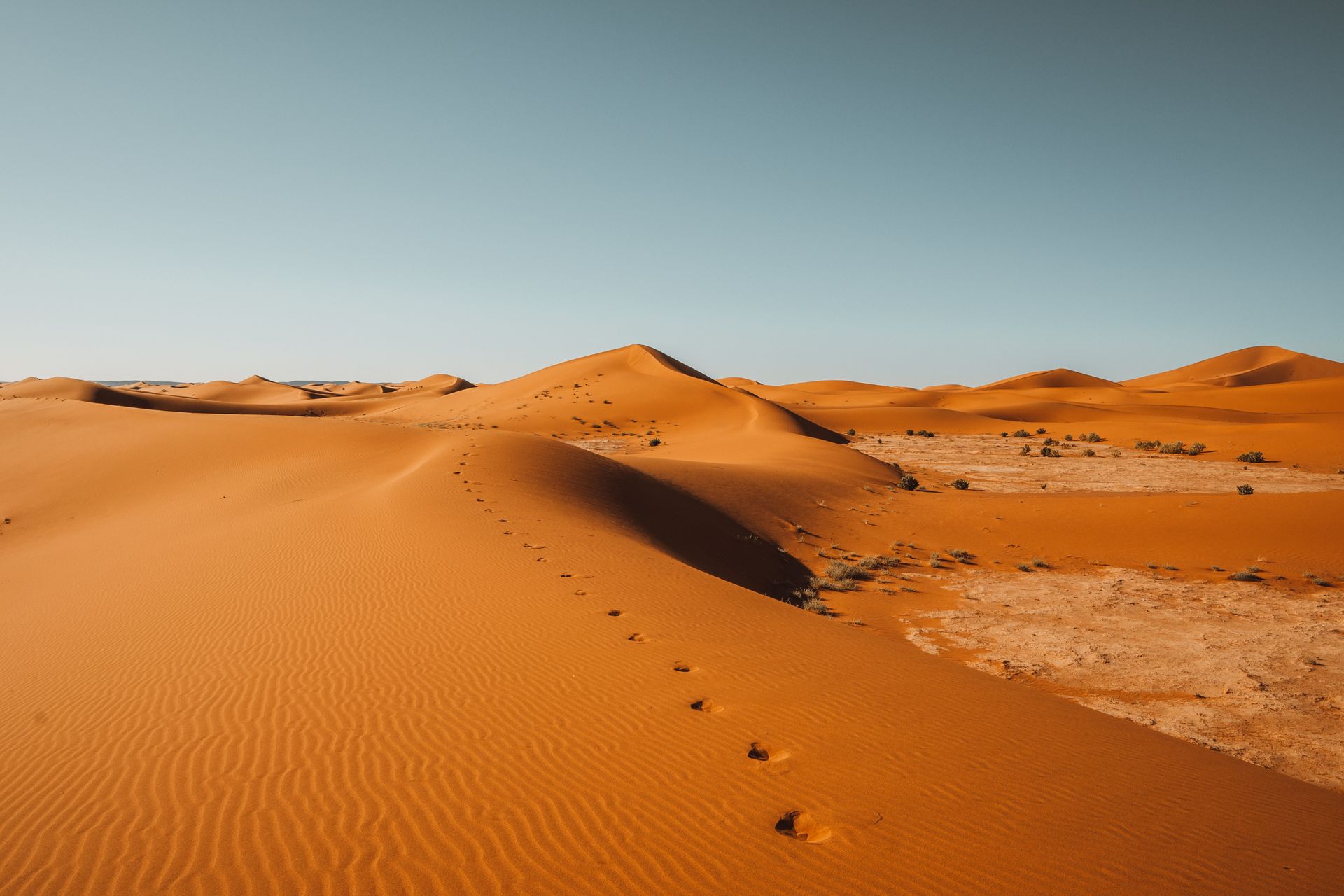
Sahara & Nomad Life Photography Tour
7 days deep into the Sahara - luxury desert camps, Amazigh nomad life, dune ridgelines at sunrise, and a closing session in Ouarzazate's kasbah film-studio backdrops.
View Tour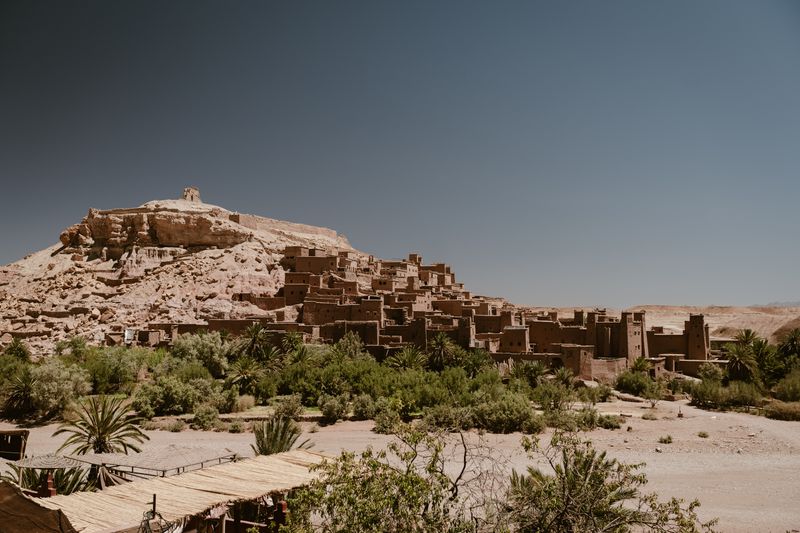
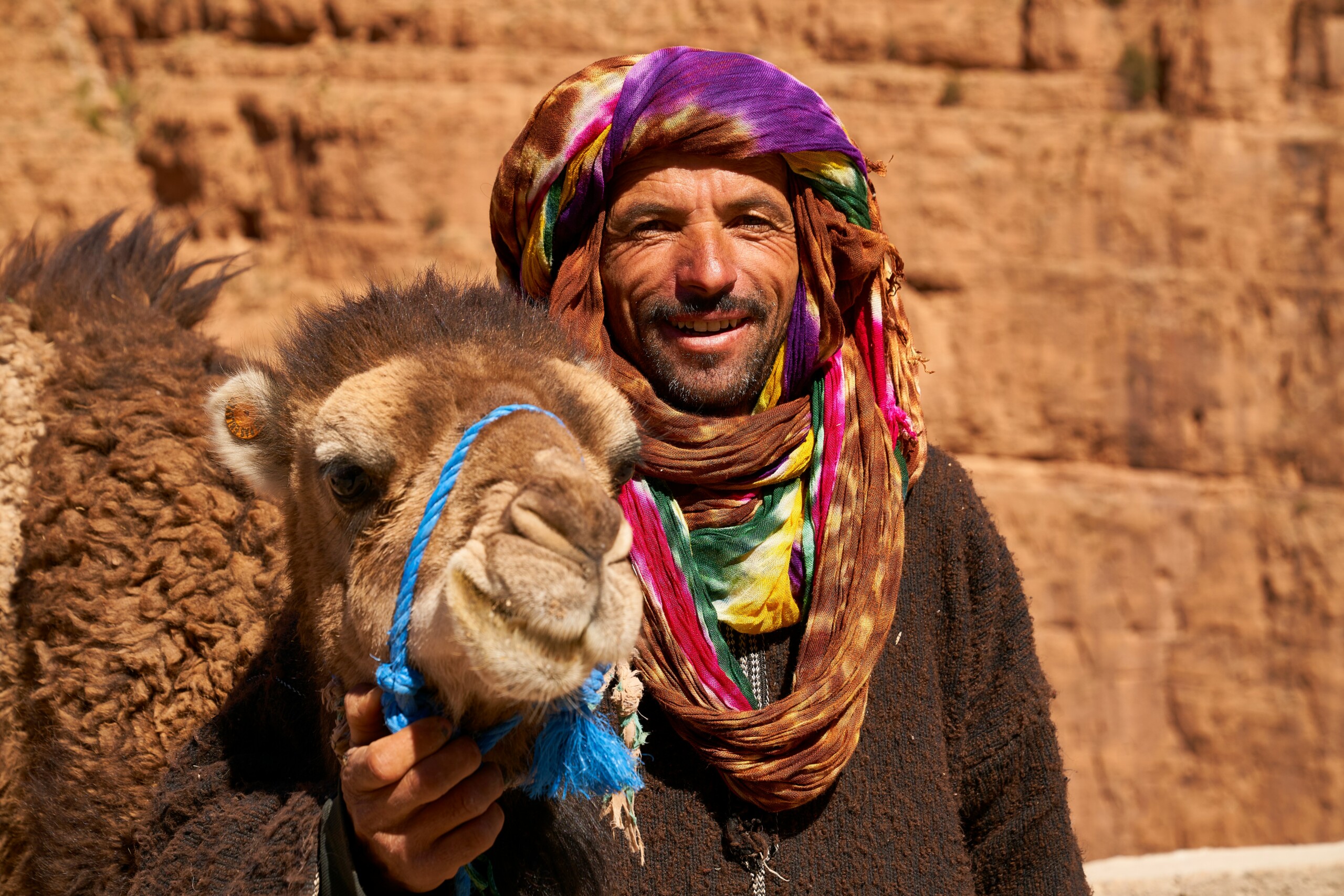
9-Day Morocco Photography Experience
Merzouga's dunes, ancient kasbahs, Atlas Mountain landscapes and vibrant medinas in one route, with sunrise and sunset sessions and a night in the desert.
View Tour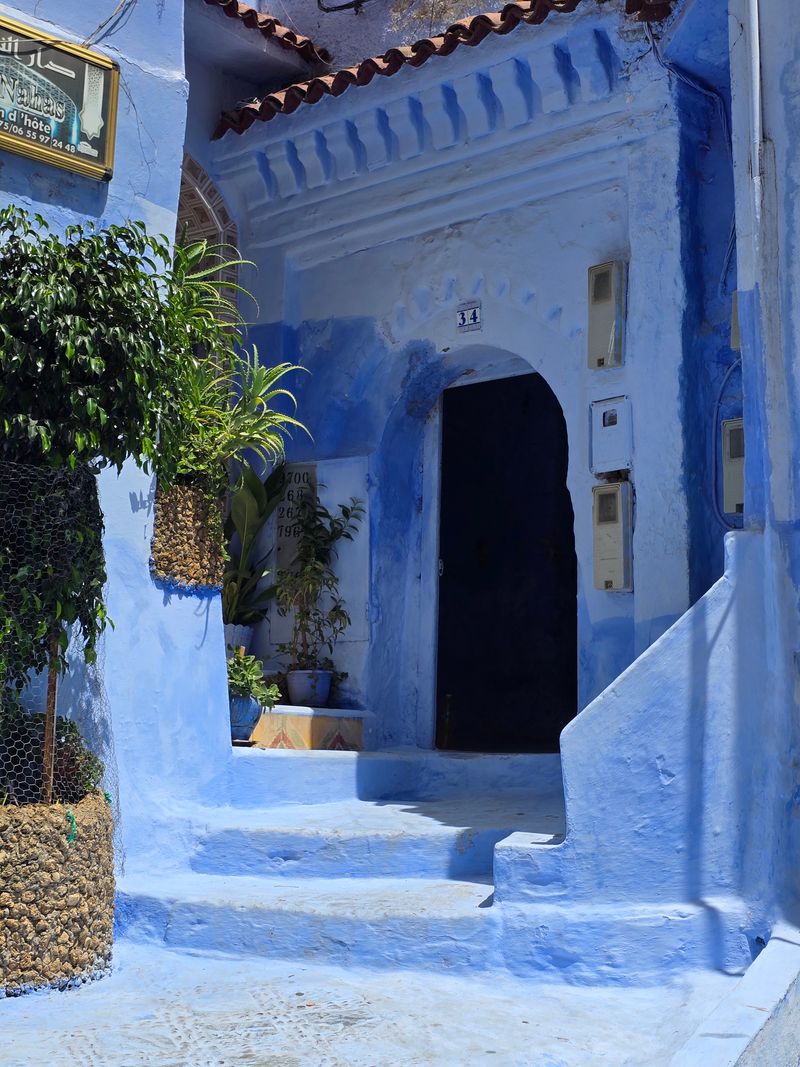
Northern Morocco Photo Journey
5 days through Chefchaouen's blue lanes, Tangier's Andalusian architecture and Fes's old town - built around colour, texture and everyday street life.
View TourPhotography Styles Across Morocco
Landscape
Sahara dune ridgelines, the Atlas Mountains, Dades and Todra Gorges, and the Draa Valley's palm oases.
Street
Marrakech's souks and Jemaa el-Fna, Fes's medina alleys, everyday market life.
Architecture
Chefchaouen's blue lanes, Ait Ben Haddou's earth kasbahs, riad courtyards and tiled doorways.
Cultural & Documentary
Artisan workshops, tanneries, nomad camps and desert communities, approached respectfully.
Portrait
Environmental portraits with willing subjects and permission - never candid shots of people without consent.
Desert
Erg Chebbi's dunes at sunrise and sunset, camel silhouettes, texture and shadow across the sand.
Night & Astrophotography
The Sahara's dark skies away from city light, conditions permitting - see below for what to actually expect.
Travel & Documentary Storytelling
A visual thread across the whole trip - cities, landscapes and people woven into one body of work.
Where to Photograph
Marrakech
Dense souks, rooftop views over the medina, and Jemaa el-Fna at golden hour and after dark. Crowds and fast-moving scenes are part of the challenge - patience and, where people are the subject, permission matter here.
Fes
A quieter, more layered medina than Marrakech - tanneries, artisan workshops and centuries-old architecture, with detail and craft as the visual focus rather than crowds.
Chefchaouen
The blue-washed medina rewards early timing - both for softer light and for streets still quiet before the day's visitors arrive. Doorways, stairways and narrow lanes are the classic shots.
Atlas Mountains
Mountain villages, valley roads and seasonal light - conditions change noticeably with elevation and season, including snow at higher passes in winter.
Ait Ben Haddou
A UNESCO-listed fortified village of earth architecture. Morning and evening light rake across its walls very differently - worth planning which side of the day you shoot it.
Essaouira & the Atlantic Coast
Ramparts, fishing boats and coastal light with a different palette entirely from the desert or the Atlas - wind is worth planning around for both comfort and gear. It's a favorite stop on our Photography tours Morocco itineraries for travelers wanting a slower, coastal finish to their trip.
Photographing the Sahara
Erg Chebbi's dunes near Merzouga are the centerpiece of most of our photography routes. Low sunrise and sunset light rakes across the ridgelines, producing strong shadow and texture that flat midday light simply doesn't give you. Wind constantly reshapes the dune patterns, so no two mornings look quite the same. This is one of the main reasons the Sahara features so heavily in nearly every Morocco photography workshop itinerary we design.
One Night or Two for Photography?
One night covers a sunset arrival, dinner, stargazing and a sunrise shoot - enough for the core experience. A second night adds a full free day to scout compositions in different light, an unhurried second sunset, and a backup if the first evening's clouds or wind didn't cooperate. Many of our Morocco photography holidays build in this second night as standard, simply because the extra flexibility is worth it for photographers.
Sahara Night & Astrophotography
Away from city light pollution, the Sahara's night sky is genuinely dark and a strong location for star photography. That said, we can't guarantee Milky Way visibility, cloud-free skies, or specific astronomical conditions on any given date - moon phase and weather both matter, and it's worth checking these before you travel if night photography is a priority. Bring a tripod and a fast, wide lens, and pack an extra layer - desert nights get cold even after a hot day.
Reaching the Dunes Without a Camel
A private 4x4 transfer directly to camp is available instead of the camel trek - a practical option if you're carrying a tripod and multiple bodies, or simply prefer not to ride.
Photographing People Respectfully in Morocco
Ask before photographing someone directly, and respect a refusal without pressing the point - this applies to artisans at work, market vendors, and especially children. Religious settings and private homes call for particular sensitivity; your guide can help navigate what's appropriate and, where useful, translate a request to photograph someone into a genuine conversation rather than a transaction. People are not photographic props - the best portraits usually come from a moment of actual permission and rapport, not a stolen frame.
Traveling With Camera Equipment
- Camera bags, tripods and multiple bodies travel fine in the private vehicle - let us know if you're bringing significant gear
- Minimize lens changes in open, windy dune areas to limit dust and sand exposure
- Keep gear in a closed bag when not actively shooting in the desert
- Riads and hotels have standard electricity for charging batteries and laptops
- Desert camp power varies by camp - we'll confirm what's available for your specific itinerary
- Pack spare batteries and a laptop or portable drive for backups regardless
- A simple rain cover or dry bag helps for extended sunrise/sunset sessions in exposed sand
- Bring a UK/EU-style plug adapter (Morocco uses Type C/E, 220V)
Beginners, Smartphones & Professionals
These journeys work for complete beginners, smartphone photographers, enthusiasts and advanced amateurs alike - the value comes from location, light and timing, which benefit every skill level and every camera. A smartphone photographer gets the same sunrise position and golden-hour patience as someone carrying a full mirrorless kit. Advanced photographers looking for formal technical tuition or portfolio critique should mention this when enquiring, since that's not included as standard - see the roles table above for exactly what our driver-guides do and don't provide. This same flexibility is at the heart of all our Morocco photo tours, whatever level you're shooting at.
What Makes a Photography Journey "Luxury"?
For photographers, "luxury" isn't about extravagance for its own sake - it's about the freedom to chase the light without compromise. It's the difference between a standard sightseeing package and genuine Morocco photography tours built around your priorities.
Time
No rush to the next stop on a fixed sightseeing clock - time to wait for the right light, and to shoot a scene properly rather than grab one frame.
Access & Flexibility
A private vehicle that can leave before sunrise, wait past sunset, or pull over for an unplanned scene - not a shared group schedule.
Comfort & Logistics
Boutique riads and an upgraded desert camp for genuine rest between early starts and late finishes, plus room in the vehicle for your gear.
Private vs. Small-Group Photography Tours
A private tour gives you full control over the schedule - your own sunrise call time, as long as you want at a location, and a route that can flex around weather. A small-group departure can cost less per person and adds a social element some photographers enjoy. Neither is universally better - if flexibility around light matters most to you, private is the more direct route to that; if budget or company matters more, a group option is worth weighing. Most of our Morocco photo tours lean private for exactly this reason - the schedule stays entirely yours.
When Is the Best Time for Photography in Morocco?
Roughly October to April brings the clearest desert light and the most comfortable travel conditions across the Sahara and the Atlas, with shorter days but a lower, more flattering sun angle. Summer's midday light is harsh and the desert heat is genuinely extreme, which makes early and late sessions even more essential. The medinas of Fes, Chefchaouen and Marrakech are rewarding for photography year-round, though winter's softer light is often easier to work with than summer's high contrast. This is also the season we recommend most often for Morocco photography holidays built around outdoor photography.
How Much Does a Morocco Photography Tour Cost?
Price depends on your chosen itinerary, group size, season, accommodation category and whether you're traveling privately or as part of a small group - there's no single fixed rate. Share your dates and the tour that interests you and we'll send a personalized quote rather than a generic estimate. Pricing for a Morocco photography workshop varies accordingly, since every itinerary is quoted individually rather than sold off a fixed list.
Request a Personalized QuoteWhat's Included
Here's exactly what's covered on our Photography tours Morocco itineraries, and what to plan for separately.
Included on Every Tour
- Private vehicle, driver and fuel throughout
- Accommodation as per your chosen itinerary
- Breakfasts, and dinner on desert camp nights
- Luxury desert camp night(s) where applicable
- Camel trek or 4x4 camp transfer (your choice)
- Airport pick-up and drop-off
Not Included (Confirm at Booking)
- Camera equipment of any kind
- International flights
- Formal photo tuition or critique (available on request, subject to arrangement)
- Lunches and drinks not specified in the itinerary
- Entrance fees not listed on your tour page
- Tips, travel insurance, special permits
Morocco Photography Tours: FAQ
What is a Morocco photography tour, exactly?
A Morocco photography tour is a private journey where the route, timing and pace are planned around good light and photogenic locations, rather than a standard sightseeing schedule. It is not the same as a professional photography workshop with formal tuition unless that is specifically stated - our tours are photographer-friendly private journeys led by an experienced driver-guide who knows the locations and timing, not a certified photography instructor.
Is a professional photographer included on the tour?
No, our tours are guided by an experienced private driver-guide who knows the photographic locations, light timing and logistics well, rather than a certified professional photography instructor. If formal photo tuition or critique matters to you, let us know when you enquire and we can discuss what can realistically be arranged.
Do I need to be a professional photographer to join?
No. These journeys work for complete beginners, smartphone photographers, enthusiasts and advanced amateurs alike, since the value comes from being in the right place at the right light rather than from equipment or experience level.
Can I join with just a smartphone?
Yes. The itinerary is built around location, light and timing, all of which benefit a smartphone photographer just as much as someone carrying a full camera kit.
Are the tours private or group departures?
All of our photography itineraries run as private tours with your own vehicle and driver-guide, so stops for light, weather or composition can be made whenever needed rather than on a shared group timetable.
Can we leave before sunrise or wait for sunset?
Yes, early departures and late finishes are built into these itineraries rather than treated as exceptions. Rest is planned around the flatter midday light so the schedule serves photography rather than the other way around.
Is the Sahara good for landscape photography?
Yes - the dune ridgelines around Merzouga and Erg Chebbi produce strong shadow and texture at sunrise and sunset, when low light rakes across the sand. Midday light is flatter and generally less rewarding for landscape work.
How many nights should photographers spend in the Sahara?
One night covers a sunset arrival, dinner, stargazing and a sunrise shoot, which is enough for the core experience. A second night adds a full free day for scouting compositions, an unhurried second sunset, and more flexibility if the first evening's weather or light isn't ideal.
Can we photograph the stars in the Sahara?
The Sahara's dark skies away from city light pollution make it a strong location for night photography, but conditions depend on the date, moon phase and cloud cover for any given night. We can't guarantee Milky Way visibility or clear skies on a specific date - a tripod and a fast lens are worth packing regardless.
Can we experience the Sahara without riding a camel?
Yes, a private 4x4 transfer directly to the desert camp is available as an alternative to the camel trek. This is a practical option for photographers carrying tripods and multiple camera bodies, or anyone who'd simply rather not ride.
Is Chefchaouen good for photography?
Yes - Chefchaouen's blue-washed medina is one of Morocco's most photographed locations, with strong graphic doorways, stairways and narrow lanes. Early morning is the best time to shoot, both for softer light and for streets that are still quiet before the day's visitors arrive.
Is Marrakech good for street photography?
Yes, Marrakech's souks and Jemaa el-Fna offer dense, fast-moving street scenes with strong colour and light, particularly around golden hour and after dark. It can be a demanding environment to shoot in given the crowds, so a bit of patience and, where people are the subject, asking permission goes a long way.
Can we bring a tripod on these tours?
Yes, tripods travel fine in the private vehicle and are genuinely useful for sunrise, sunset and any night photography in the Sahara. Just let us know if you're bringing significant gear so we can confirm there's comfortable space in the vehicle.
Can we charge camera batteries and back up photos during the tour?
Riads and hotels on the route have standard electricity for charging. Desert camp power availability varies by camp, so we'll confirm what's available for your specific itinerary - packing spare batteries and a laptop or portable drive for backups is a sensible precaution regardless.
How should I protect my camera equipment from Sahara sand?
Minimize lens changes in the open dunes, keep gear in a closed bag when not shooting, and wipe down equipment with a soft cloth after windy sessions. A simple rain cover or dry bag also helps if you're setting up for an extended sunrise or sunset session in exposed sand.
Are the tours suitable for photography clubs or small groups?
Yes, a private departure can be arranged for a small group or club traveling together - let us know your group size when you enquire so we can plan vehicle capacity and pacing accordingly.
How much does a Morocco photography tour cost?
Price depends on your chosen itinerary, group size, season and accommodation category, so there's no single fixed rate. Share your dates and the tour you're interested in and we'll send a personalized quote. Pricing naturally varies across our range of Morocco photography holidays, from shorter journeys to the full nine-day route.
Can the itinerary be customized around specific photography interests?
Yes - route, pace, number of Sahara nights, and which cities or regions to prioritize can all be adjusted around whether you're more interested in landscape, street, architecture or desert photography.
What's the best time of year for photography in Morocco?
Roughly October to April brings the clearest desert light and most comfortable travel conditions across the Sahara and the Atlas. Summer's harsh midday sun and desert heat make early and late sessions even more essential, while the medinas of Fes, Chefchaouen and Marrakech remain rewarding for photography year-round.
Can I fly a drone in Morocco?
As of 2026, Morocco maintains tight restrictions on drones: private recreational use is not permitted, and importing a consumer drone without prior government authorization can result in confiscation at the border. Authorization is difficult for tourists to obtain, so the practical advice from most sources is to leave drones at home rather than risk losing the equipment - check Morocco's official customs authority (ADII) before traveling, as rules can change.
Let's find your light.
Tell us which itinerary interests you, your travel dates and your photography priorities - we'll confirm availability and send a tailored plan. However you like to travel, our Morocco photography tours are built to put you in the right place at the right time, every time.